K-Cup Coffee Maker Garbage An Environmental Issue
No K-Cup Recycling
Green Basics Advanced Green Steps Speaking Green Success Stories
Green Basics Advanced Green Steps Speaking Green Success Stories
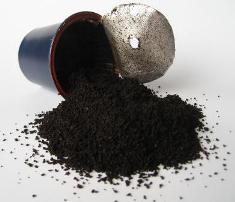 Do you have a single-cup coffee maker in your home or office? Chances are it's a Keurig brewing system, also known as a k-cup system, which uses single portion cups of coffee grounds to brew each cup of coffee.
The garbage from these k-cups is a large environmental issue due the amount of waste. Because the k-cup is made of plastic integrated with a coffee filter, coffee grounds, and plastic foil top, there is no easy way to separate the components for recycling. The Green Mountain Coffee Company who produces the k-cup coffee has acknowledged their k-cup coffee garbage is an issue and that they don't have k-cup recycling facilities.
Let's look at the lifecycle of a k-cup.
 When the k-cups finally reach the consumer, they drop it in the machine, make one cup of coffee, and throw the k-cup garbage in the trash.
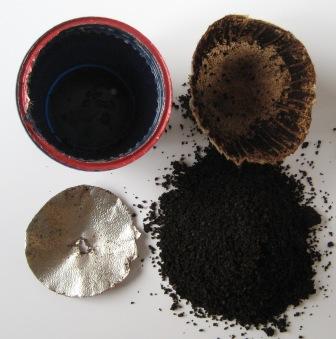 So while it may seem cool and convenient to use a k-cup coffee maker, there is a lot of energy used and garbage as a result of using the system. There isn't a way to separate the recycling material, therefore there isn't any k-cup recycling. This is why a k-cup system is an environmental issue.
When you can't recycle it, reduce it or reuse it. The traditional way of making coffee is a much better choice for the environment. The coffee filter and coffee grounds can be composted, and there's no plastic of foil lid to dispose of for each cup of coffee. Better yet, use a reusable (metal) coffee filter so you're not using paper filters! If you wish to only make single servings of coffee, consider a coffee maker that uses reusable coffee filters instead of disposable k-cups. It's a smart choice for the environment.
For more ideas on how to reduce your waste, see our green tips for products & services.

